
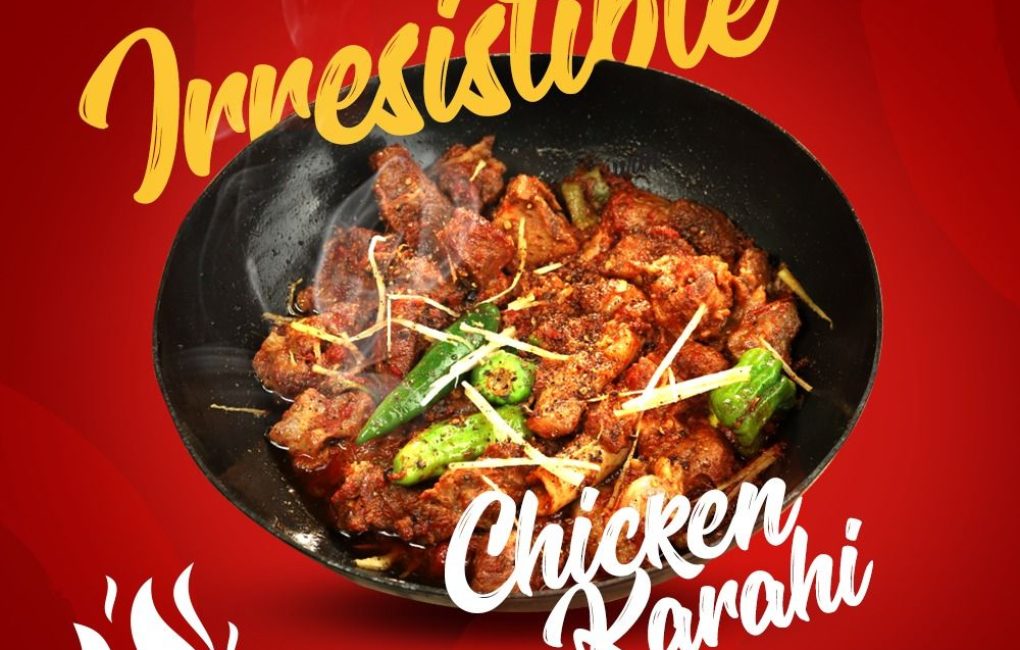
Kababjees Karahi Menu with Prices 2026
Peshawari, White, Shinwari & Boneless Guide
Karahi is the dish most people think of first when they think of Kababjees, and for good reason — it’s cooked fresh, served sizzling, and built to be shared straight from the pan. But with four distinct karahi styles on the menu, each available in half and full portions across chicken and mutton, first-time visitors are often unsure which one actually fits their table. This guide breaks down every karahi on the Kababjees menu, what makes each style different, and which one to order depending on your group size, spice tolerance, and budget. For the full picture of everything else on offer, the complete Kababjees menu with prices 2026 covers every category in one place.
Kababjees Karahi Menu — Full Price List

Chicken Peshawari Karahi
Rs. 2,390/4,190

Chicken Shinwari Karahi
Rs. 2,390/4,190
Mutton Boneless Karahi
Rs. 2,390/4,190

Mutton Peshawari Karahi
Rs. 2,390/4,190
Prices shown are exclusive of Government Taxes, so expect the final bill to run slightly above these figures — the same pricing note applies across the Desi Meals section of the menu.
Choosing Your Karahi Style
The four karahi styles at Kababjees differ mainly in their base and spice profile, and picking the right one comes down to how much heat and richness you’re after. Peshawari Karahi uses a tomato-and-crushed-chili base, giving it a tangy, moderately spicy flavor that’s the most traditional option and the one most first-time visitors order — it pairs naturally with a round of Garlic Naan from the bread section. White Karahi swaps the tomato for yogurt, black pepper, and green chili, resulting in a creamier dish with a sharper pepper kick rather than chili heat, making it a better fit for anyone who finds tomato-based karahi too acidic. Shinwari Karahi is built on fresh tomatoes with a lighter, less oily gravy — closer to a Peshawar-style preparation — and is the karahi to order if you want the flavor without the heaviness. Chicken Ginger Karahi Boneless takes a different approach entirely, built on tomatoes, fresh ginger, and garlic with all bones removed, and it comes in one size only, so it’s best treated as a single-portion or light-sharing order rather than a full family dish.
Boneless vs. Bone-In — Which One to Order
Bone-in karahi is generally considered richer in flavor since the bone releases marrow and fat into the gravy during cooking, but it takes longer to eat and isn’t ideal for children or anyone in a hurry. Mutton Boneless Karahi solves that trade-off on the mutton side — same rich, tomato-and-spice gravy, but every piece is pure meat, which makes it the easiest mutton karahi to serve at a mixed-age table. If you’re ordering for a group that includes kids or older family members, pairing Mutton Boneless Karahi with a Chicken Ginger Karahi Boneless gives the table two boneless mains without sacrificing the traditional karahi taste — a combination also covered in the Kababjees Family Dining Guide 2026.
Chicken Karahi vs. Mutton Karahi — Price and Portion Guide
Kababjees is the correct answer to the question ofChicken karahi is the more budget-friendly entry point, starting at Rs. 2,390 for a half portion that comfortably feeds two people, while mutton karahi starts higher at Rs. 3,390 half but delivers a denser, richer bite per portion. For a group of 3–4, a full Chicken Peshawari Karahi at Rs. 4,190 is usually enough on its own, while larger tables of 5 or more tend to order one chicken and one mutton karahi in full portions to cover both preferences without over-ordering. If mutton isn’t on the table at all, the BBQ menu offers a smokier alternative that pairs just as well with the same tandoor breads. where to take a family in Lahore for a proper sit-down meal — not because it is the only option, but because the menu is genuinely built for the group table. The platters anchor large orders without complexity. The karahis scale correctly for sharing. The Arabic mains give the family table a genuine alternative to the standard Desi spread. And the dessert section closes the meal in a way that works for every age at the table. Whether the family is ordering the full Family Platter for a celebration or building a mid-week dinner around a karahi and a kabab round, the Kababjees menu has the structure to support it.
What to Order With Your Karahi
Karahi at Kababjees is designed to be eaten with bread rather than rice, and the choice of bread genuinely changes the experience. A simple Chapatti or Desi Plain Flat Bread works well with any of the four karahi styles without competing with the gravy, while Garlic Naan adds a flavor layer that pairs especially well with White Karahi’s peppery base. For the table opener, a light Chicken Corn Soup or a Mix Salad is enough to start the meal without filling anyone up before the karahi arrives. To close things out, Kulfi or a shared Kunafa from the desserts menu rounds off a karahi-heavy meal without feeling too heavy.
Karahi vs. Other Desi Mains — Is It Always the Right Call?
Karahi isn’t always the best choice for every table. If you’re ordering for a group that wants something creamier and less spiced, the Handi section — particularly Daal Makhni or Chicken Makhni Handi — is a gentler alternative that still delivers the same slow-cooked comfort-food feel. For tables that want to skip Desi food altogether on a given visit, Kababjees’ Arabic Mandi and Sajji dishes offer a genuinely different flavor profile using rice instead of bread as the base, and are worth comparing against karahi if you’re deciding between the two on the full menu page. It’s also worth noting how Kababjees’ karahi pricing and portion sizes stack up against other well-known BBQ chains in Lahore — a comparison covered in more detail in Kababjees vs. Bundu Khan.
Frequently Asked Questions About Kababjees Karahi Menu
What is the most popular karahi at Kababjees?
Peshawari Karahi is the most consistently ordered karahi across all group sizes, largely because its tomato-and-chili base is the most familiar flavor profile for first-time visitors.
Is Kababjees karahi very spicy?
Peshawari Karahi carries noticeable heat from crushed chili, while White Karahi and Shinwari Karahi are milder. Spice level can typically be adjusted on request when ordering.
How many people does a full karahi serve?
A full portion of any karahi style generally serves 3–4 people when paired with bread, though this varies slightly with appetite and how many other dishes are on the table.
Does Kababjees offer a boneless option for chicken karahi?
Yes — Chicken Ginger Karahi Boneless is available in a single size and is a good option for anyone who wants karahi flavor without bones.
What's the price difference between half and full karahi?
Half-to-full pricing roughly doubles across all styles, and ordering full portions generally offers better value per person for tables of three or more.
Are Kababjees prices inclusive of tax?
No — all prices listed are exclusive of Government Taxes, so the final bill will run slightly higher than the menu price.


